
History of The Church at Koloa
The story of The Church at Koloa reaches back to the earliest years of Christian mission work on Kauai. In 1820, George Prince Humehume Kaumualiʻi returned to Kauai with missionaries Samuel Ruggles and Samuel Whitney. George was the son of King Kaumualiʻi, the last ruling monarch of Kauai and Niihau before the island kingdom came under the rule of Kamehameha I. After George’s return, King Kaumualiʻi welcomed the missionaries and encouraged their work of teaching reading, writing, and the gospel.
In those early years, Christian gatherings on Kauai were simple and informal. People often met in homes, and believers in the Koloa area were occasionally visited by missionaries serving from Waimea. The organized mission work in Koloa began later, when Reverend Peter J. Gulick and his family arrived on December 31, 1834. Their arrival marked the beginning of a new chapter for the Koloa community, one that would bring lasting spiritual, educational, and cultural change to the area.
At first, there was no formal church building. In 1835, a grass meeting house and school was built near Maulili Pond, providing a place for worship, instruction, and community gathering. By 1837, a larger adobe church was constructed on the site where The Church at Koloa stands today. This early house of worship became a central gathering place for Native Hawaiians and others from throughout the district. Historical accounts describe people coming from as far as Māhāʻulepū to Hanapepe, and from Koloa Beach to Kuʻia, traveling by foot or horseback to hear the Word of God.
The early congregation was remarkably large, with reports placing attendance in the hundreds and sometimes well over a thousand. Koloa itself was growing rapidly during this period. By the mid-1800s, it had become an important village and commercial center, shaped by agriculture, trade, mission activity, and the rise of the sugar industry. Historical records note that Koloa’s population included Native Hawaiians as well as an increasing number of foreigners who lived and worked in the area.
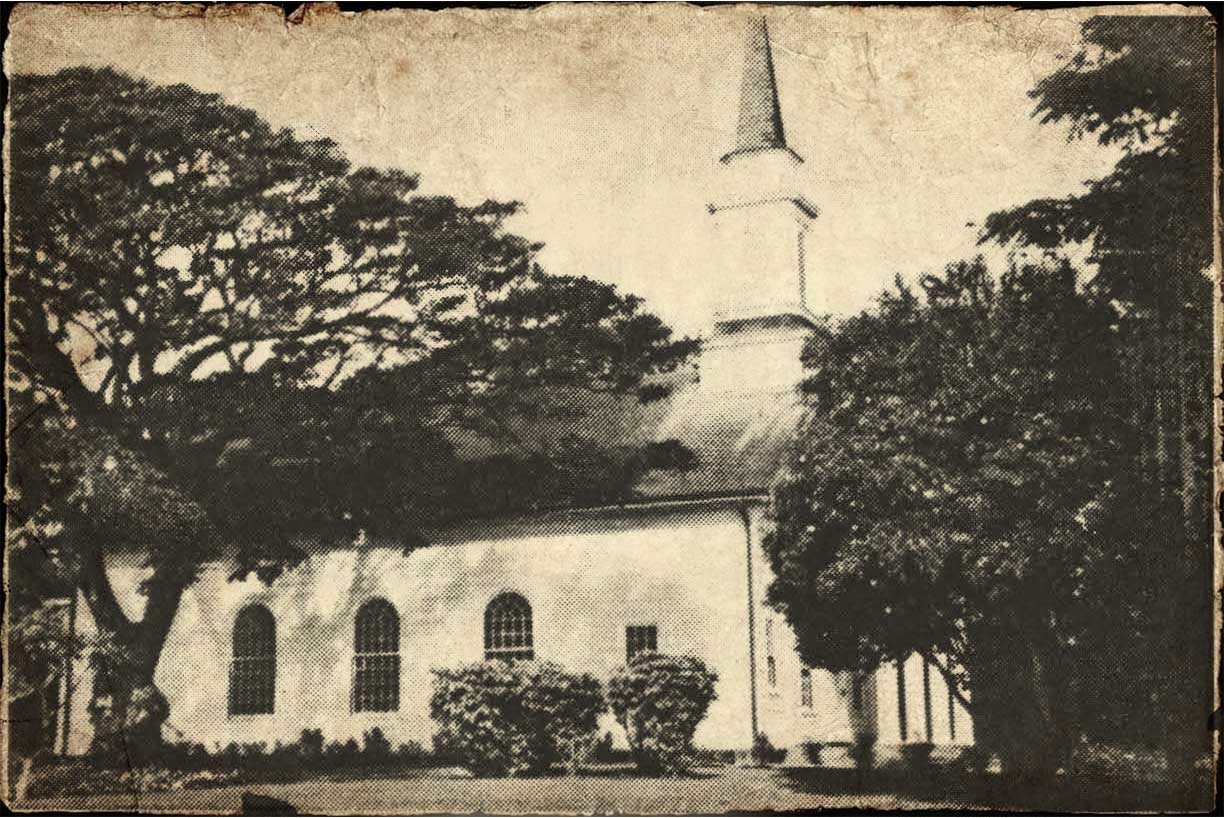
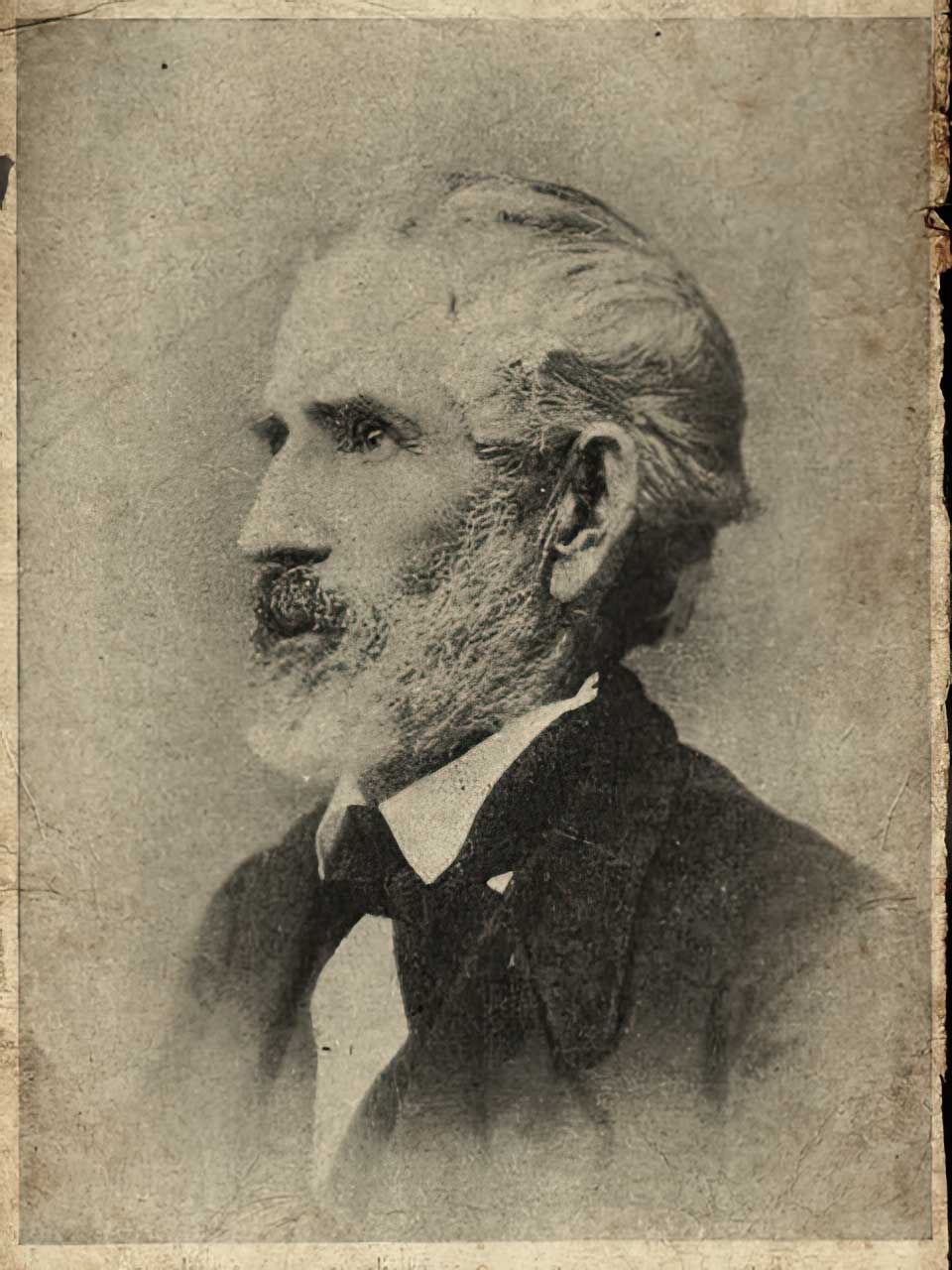
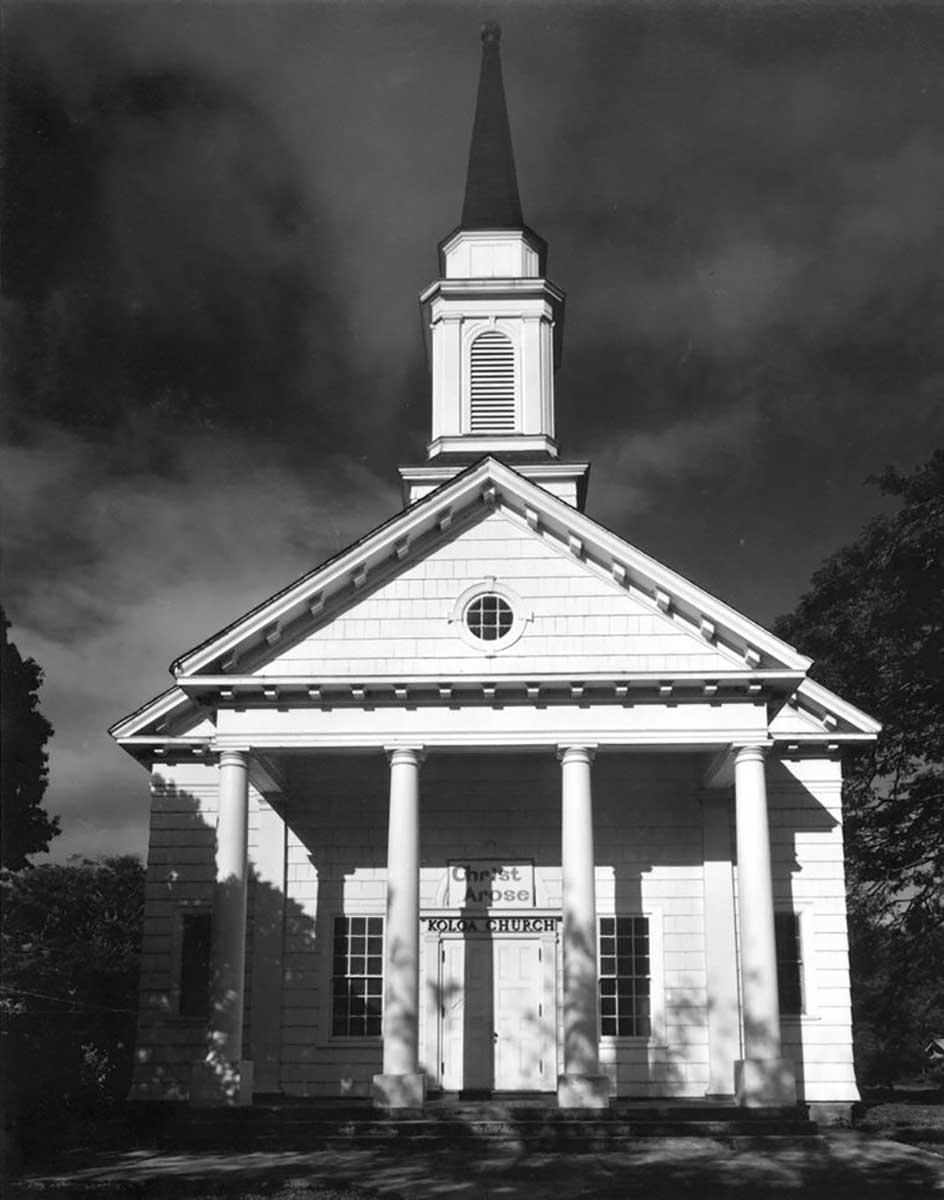
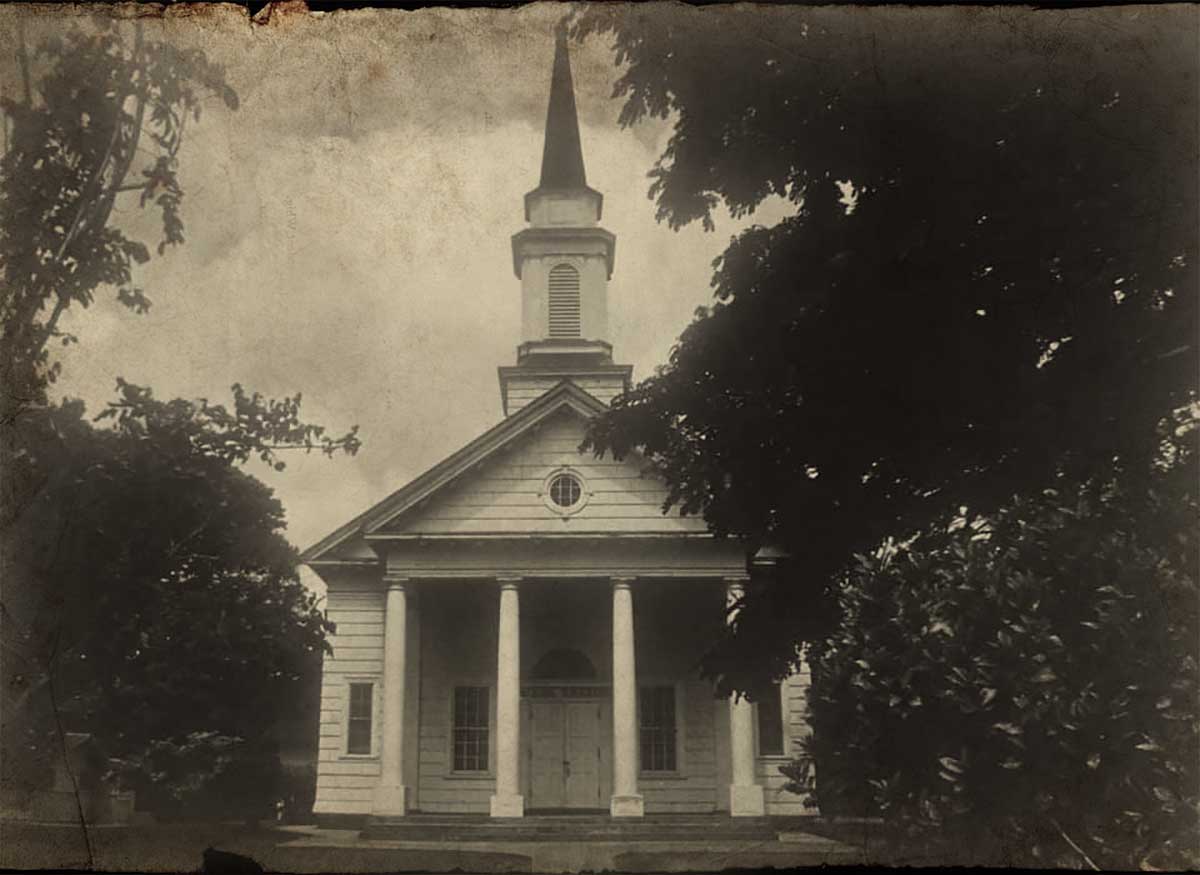
In 1858, a storm destroyed the earlier church building. The congregation responded with determination, gathering materials and funds to rebuild. Under the devoted leadership of Reverend James W. Smith, M.D., the new frame church was completed around 1860. Dr. Smith served Koloa for many years as missionary, pastor, and physician, ministering not only to the spiritual needs of the people but also to their physical needs. His pastoral work extended beyond Koloa, reaching other communities on Kauai’s eastern shore.
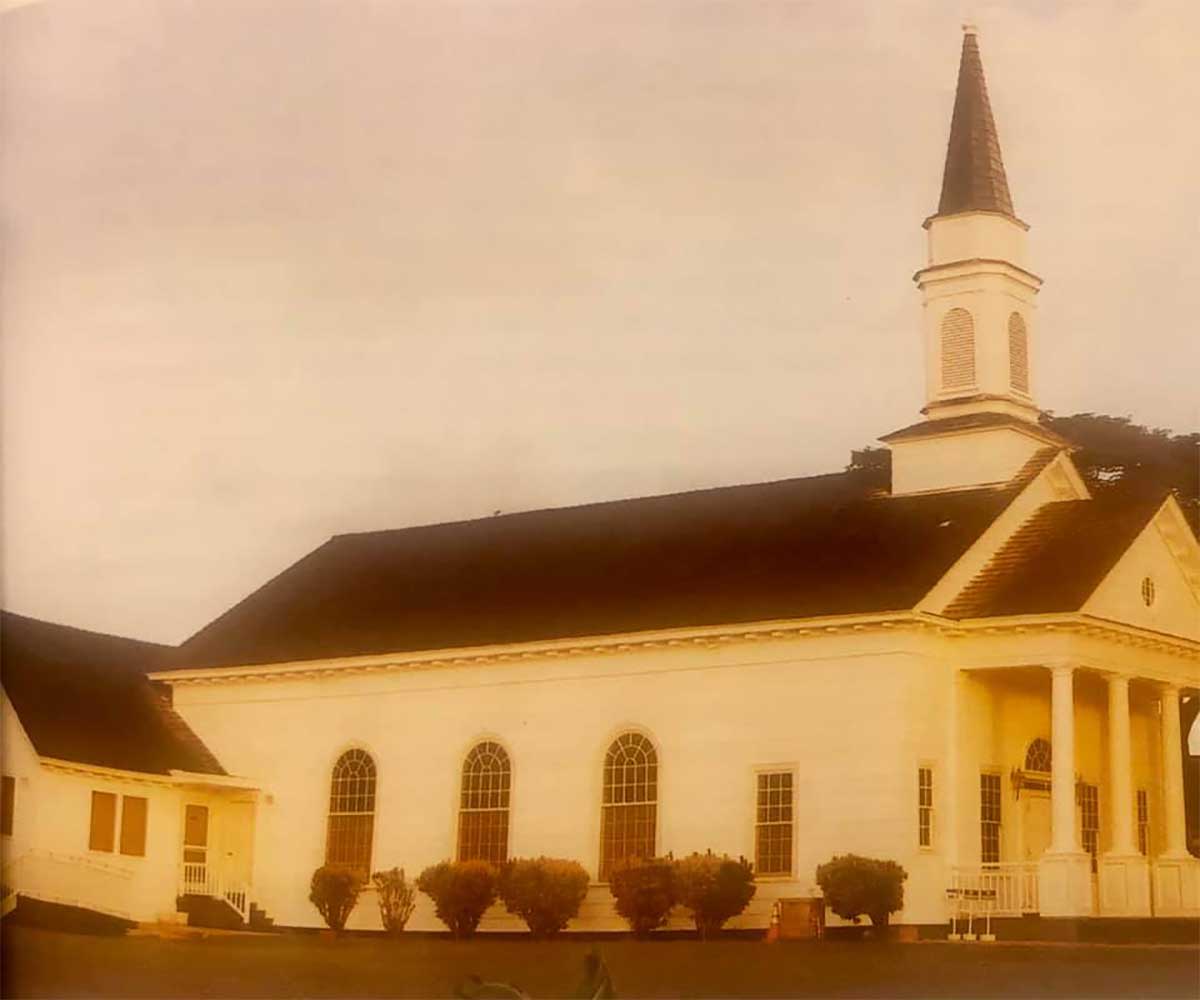
The Missionary Herald of 1860 described the rebuilt church as standing on high ground, visible from far out at sea, and serving as a landmark for ships approaching the port. In this way, the church became both a physical landmark for travelers and a spiritual landmark for the community.
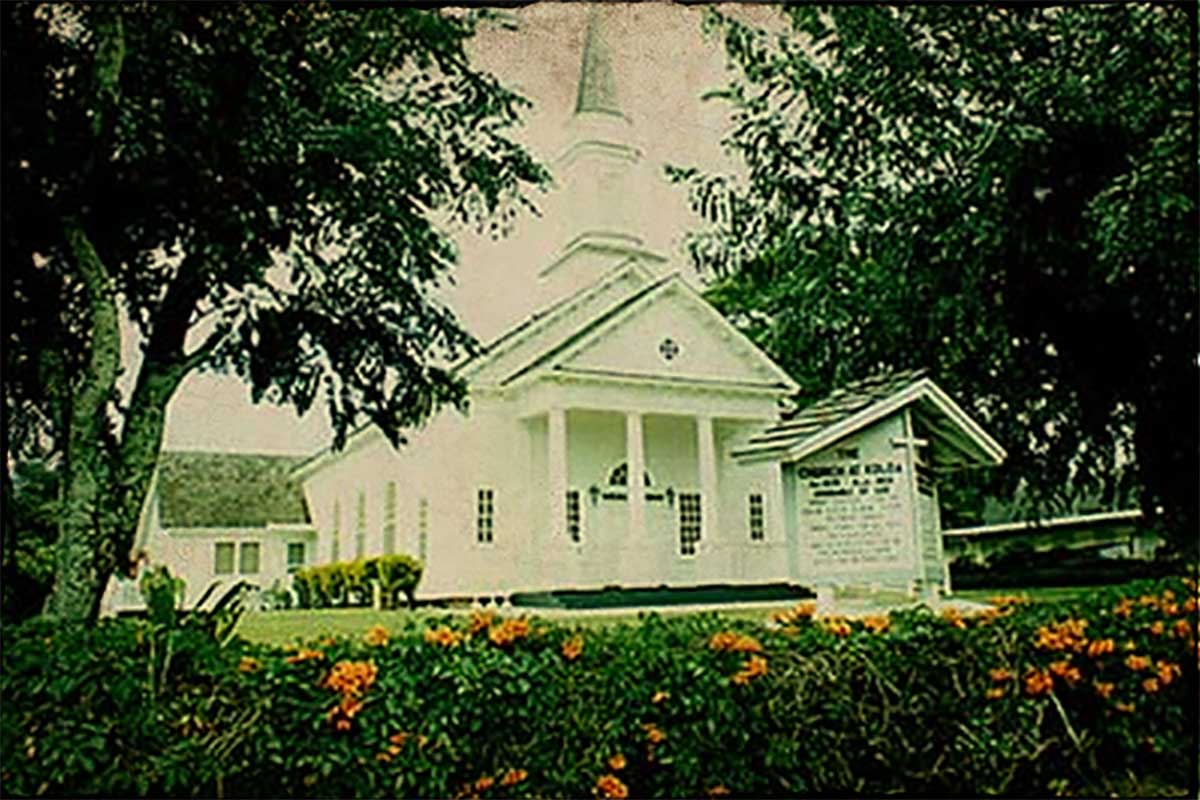
The building served the congregation for more than 70 years. In 1928 and 1929, the church underwent significant repairs and remodeling, including a New England-style finish. Historical writings note that hand-hewn native Hawaiian hardwood beams from the older church remained in use, continuing to support the walls and roof. These timbers stand as a quiet reminder of the faith, labor, and craftsmanship of those who helped establish the church generations ago.
Through the years, Koloa changed in many ways. Plantation life brought people from different ethnic and cultural backgrounds to the area, and Protestant services were eventually held in several languages, including Hawaiian, English, Japanese, and Filipino. In the 20th century, Koloa Union Church was formally organized, reflecting the growing diversity of the community and the continuing role of the church as a place of worship and fellowship.
Today, The Church at Koloa continues to stand on high ground, not only in location, but in purpose. Just as the church once served as a landmark for ships approaching the shore, our prayer is that it would continue to be a place of refuge, hope, and direction for all who come. For those facing the storms of life, we desire to be a welcoming place where people can encounter the peace of God, hear the truth of His Word, and find rest for their souls.
We invite you to find that “higher ground” here at The Church at Koloa.